Louisiana’s SpaceX Moment

Carbon capture and sequestration (CCS) has emerged as a critical technology in the fight against climate change. This innovative process captures carbon dioxide emissions before they enter the atmosphere, offering a way to reduce CO2 emissions from industrial sources.
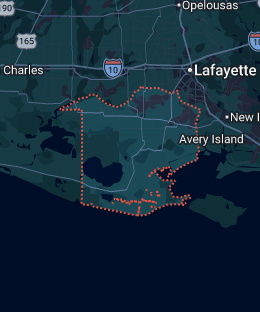
Of the more than 270 carbon capture and sequestration projects proposed nationwide, Louisiana hosts approximately 65 initiatives, the highest concentration of any state. But many of these projects are currently stalled until the next legislative session when community concerns can be discussed
Carbon capture and sequestration is a three-step process that prevents CO2 emissions from reaching the atmosphere. First, carbon capture systems collect carbon dioxide from industrial facilities or directly from the air. Next, the captured CO2 gets compressed and transported through pipelines to sequestration storage sites. Finally, the carbon dioxide is injected deep underground for permanent storage.
In October 2025, Governor Jeff Landry implemented a temporary moratorium on new CO2 injection permit applications. However, projects with existing permits can continue moving forward. The state currently operates two active capture facilities and holds one approved sequestration well permi
The 2026 legislative session will likely address several carbon capture and sequestration issues, including safety standards, local authority over projects, and transparency requirements for developers.
Pipeline safety remains a top concern for residents and officials, and emergency preparedness plans must account for potential CO2 leaks.
These projects include pipeline easements and injection sites that can affect land use for decades, requiring clear agreements between developers and property owners.
Local communities want greater transparency in project planning. Residents seek detailed information about proposed facilities, including their proximity to homes and schools.
With proper oversight and community engagement, carbon capture technology can help Louisiana achieve significant CO2 emissions reductions while supporting economic growth in the energy sector. These projects will put Louisiana at the forefront of climate technology development and have the potential to influence national policy and project development standards.